Sedation Dentistry in Kirkland, WA
Dental anxiety affects millions of adults, and it should never prevent you from getting the care you need. Dr. Gaurav Sharma offers multiple sedation options to ensure every patient feels calm, comfortable, and safe.

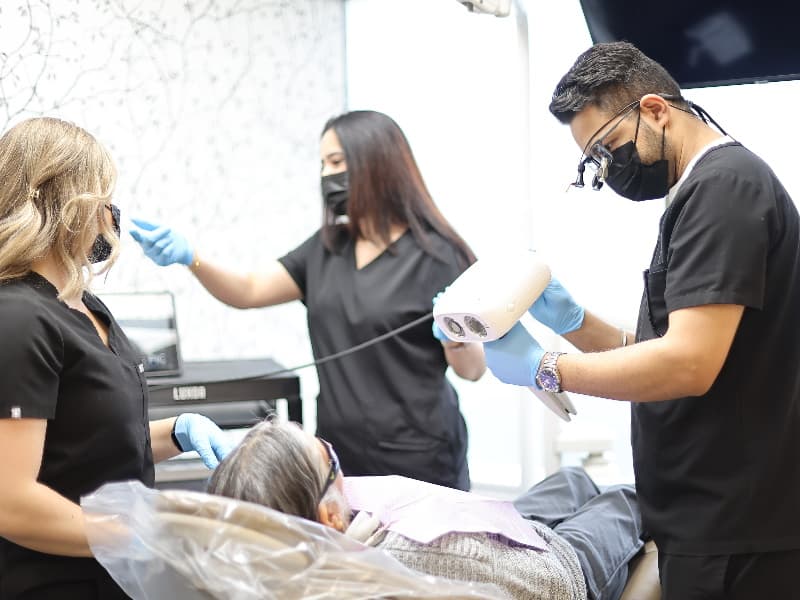
Comfortable, Anxiety-Free Dental Care
Dental anxiety is one of the most common barriers preventing people from receiving the dental care they need. Studies estimate that between 30 and 40 percent of the population experiences some level of dental anxiety, while approximately 12 percent suffer from severe dental phobia that causes them to avoid dental visits entirely. This avoidance can lead to worsening oral health problems, more extensive and costly treatments when care is finally sought, and a diminished quality of life due to pain, infection, or embarrassment.
At Dr. Gaurav Sharma's Kirkland dental practice, we understand that dental anxiety is a real and valid concern, not something to be dismissed or minimized. Whether your anxiety stems from a negative past dental experience, fear of pain, discomfort with the sounds and sensations of dental treatment, or a general feeling of vulnerability in the dental chair, we want you to know that effective solutions exist. Sedation dentistry allows us to provide the care you need in a way that keeps you calm, comfortable, and in control throughout the entire process.
Dr. Sharma offers three distinct levels of sedation to accommodate different anxiety levels and treatment needs: nitrous oxide (laughing gas) for mild to moderate anxiety, oral sedation for moderate to significant anxiety, and IV sedation for severe dental phobia or complex procedures. Each option is administered with your safety as the top priority, with continuous monitoring of vital signs including heart rate, blood pressure, and oxygen saturation throughout your entire treatment.
Benefits of This Treatment
Nitrous Oxide (Laughing Gas)
The mildest form of sedation, nitrous oxide is breathed through a small nose mask and produces a calm, relaxed state within minutes. Effects wear off completely within 5-10 minutes after removal, so you can drive yourself home immediately.
Oral Sedation
A prescribed sedative medication taken one hour before your appointment produces deep relaxation and a dreamlike state. Most patients have little to no memory of the procedure afterward. A responsible driver is required for this option.
IV Sedation
Delivers sedative medication directly into the bloodstream for rapid, precisely controlled deep relaxation. Ideal for severe anxiety or lengthy procedures. Most patients feel as though they were asleep and remember nothing of the treatment.
Continuous Safety Monitoring
Throughout every sedation procedure, your vital signs including heart rate, blood pressure, oxygen saturation, and respiratory rate are continuously monitored by trained team members using advanced monitoring equipment.
Overcomes Gag Reflex
Patients with a sensitive gag reflex often find dental procedures difficult or impossible without sedation. The relaxation produced by sedation medications effectively suppresses the gag reflex, allowing treatment to proceed comfortably.
More Treatment Per Visit
Patients who need extensive dental work can often have multiple procedures completed in fewer appointments under sedation, reducing the total number of visits and the cumulative stress of repeat appointments.
How It Works
Consultation & Evaluation
Dr. Sharma reviews your medical history, current medications, allergies, and anxiety level to determine the safest and most appropriate sedation option. He explains each method in detail and answers all your questions so you feel fully informed and confident.
Pre-Appointment Preparation
For nitrous oxide, no special prep is needed beyond a light meal. For oral sedation, you take a prescribed medication at the directed time before arrival. For IV sedation, you fast for 6-8 hours prior. A responsible driver is arranged for oral and IV options.
Relaxed Treatment Experience
Sedation is administered and your vital signs are continuously monitored. You drift into a calm, comfortable state while Dr. Sharma performs your dental treatment. Many patients are pleasantly surprised when told the procedure is complete because it felt like minutes.
Safe Recovery & Aftercare
After nitrous oxide, you feel normal within minutes and can drive immediately. After oral or IV sedation, you rest until stable, then leave with your driver. Most patients feel completely back to normal by the next morning and can resume all activities.
Who Benefits from Sedation Dentistry?
Sedation dentistry is not just for patients with dental phobia. Many different types of patients benefit from sedation, and Dr. Sharma recommends it in a variety of situations to improve the treatment experience and outcome. Even patients without significant anxiety sometimes choose sedation simply for a more relaxed, comfortable appointment.
- Patients with dental anxiety or phobia of any severity, from mild nervousness to severe fear
- Individuals with a sensitive gag reflex that makes routine dental procedures uncomfortable
- Patients needing extensive dental work such as multiple fillings, crowns, or implants in fewer visits
- People with physical conditions that make it difficult to sit still for extended periods
- Those with traumatic past dental experiences who now associate the dental office with fear
- Patients who have difficulty achieving adequate numbness with local anesthesia alone

“They never made me feel judged about my terrible teeth. They also didn't let my fear steer treatment.”
Frequently Asked Questions
Is sedation dentistry safe?
Yes, sedation dentistry is very safe when administered by a trained and experienced dental professional. Dr. Sharma carefully evaluates each patient's medical history, current medications, and overall health before recommending any sedation option. During treatment, your vital signs including heart rate, blood pressure, and oxygen levels are continuously monitored. Our team is trained in emergency protocols and keeps all necessary safety equipment readily available. Millions of dental procedures are performed under sedation each year with an outstanding safety record.
Will I be unconscious during sedation?
With most forms of dental sedation, you will not be fully unconscious. Nitrous oxide produces a light, relaxed state while you remain fully awake and responsive. Oral sedation creates a deeper relaxation where you may feel drowsy and may not remember much of the procedure, but you can still respond to verbal cues. IV sedation provides a deeper level where most patients have little to no memory of the procedure, though they are technically not unconscious. Only general anesthesia renders patients completely unconscious.
How long does sedation last?
The duration depends on the type of sedation used. Nitrous oxide wears off within minutes of removing the mask, and patients can drive themselves home and resume normal activities immediately. Oral sedation effects typically last 4 to 6 hours after the appointment, with some lingering drowsiness for the rest of the day. IV sedation effects generally wear off within 1 to 2 hours, though some grogginess may persist for several hours. For oral and IV sedation, you will need a responsible adult to drive you home.
Can I drive after sedation?
It depends on the type of sedation used. If you receive only nitrous oxide (laughing gas), you can drive yourself home because the effects dissipate within minutes after the gas is turned off. However, if you receive oral sedation or IV sedation, you must arrange for a responsible adult to drive you to and from your appointment. The sedative medications impair your coordination, reaction time, and judgment for several hours after the procedure.
Who is a candidate for sedation dentistry?
Sedation dentistry is suitable for a wide range of patients, including those with dental anxiety or phobia, sensitive gag reflex, difficulty getting numb with local anesthesia alone, need for extensive dental work in a single visit, physical conditions that make it difficult to sit still, and traumatic past dental experiences. Dr. Sharma evaluates each patient individually to determine the most appropriate sedation option based on their anxiety level, medical history, and the treatment being performed. Most healthy adults are excellent candidates.
Does insurance cover sedation dentistry?
Coverage for sedation dentistry varies by insurance plan and the reason for sedation. Some plans cover sedation when it is considered medically necessary, such as for patients with documented dental phobia, special needs, or complex procedures. Nitrous oxide is more commonly covered than oral or IV sedation. Our team will verify your specific benefits and provide a clear breakdown of any out-of-pocket costs before your appointment. We also offer financing through CareCredit and Lending Club for patients who need payment flexibility.
Ready to Get Started?
Schedule your appointment today and take the first step toward a healthier, more beautiful smile.